





How High-Tech Surveillance Shapes the Modern Casino Floor
The underlying reason for this transition from the haze of 20th-century private smoke-filled rooms to the neon 21st-century casinos with their computers is technology. While the players are looking at the spinning wheels or the dealer in front of them, the oversized eyes on the ceiling are also looking. Much like the high-end digital environments of NZD casinos, this world of glass, silicon, and light is heavily shielded by encryption. Today, from the era of the "men in catwalks" to the modern-day automated artificial intelligence program, the art of surveillance has gone from blatant to something that the average casino patron does not even notice.
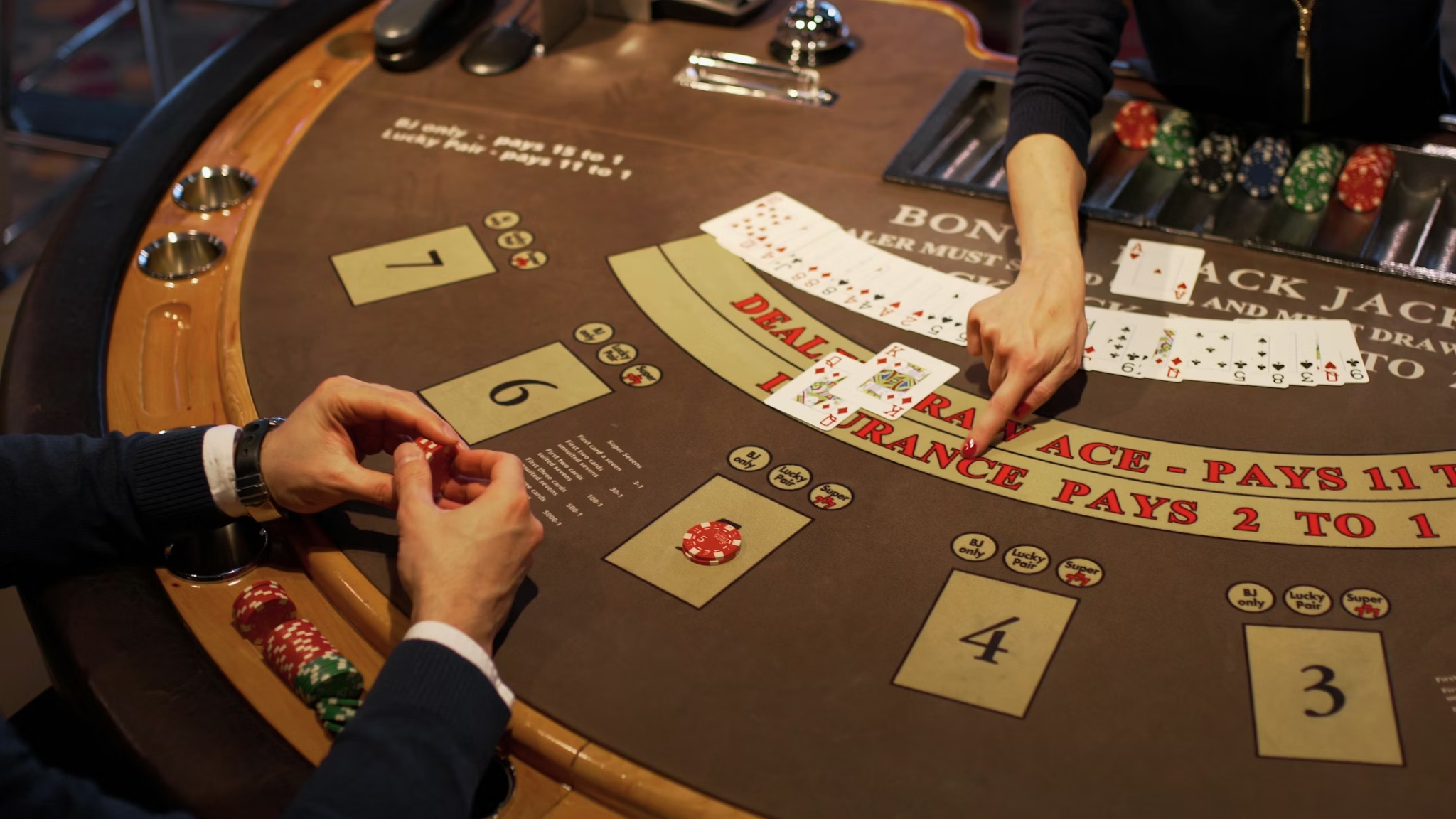
The Anatomy of the Eye: Hardware in the Sky
The first step in understanding the hardware of a casino is that it's not the grainy CCTV footage you see in convenience store robberies․ The cameras used in casinos are called PTZ (Pan-Tilt-Zoom) cameras and are optical wonders․
- Most of the world's major casinos have high resolution or ultra high resolution CCTV․ The 4K and 8K resolution cameras enable the security operator to read a $100 bill serial number from 30 feet away․ The operator can also identify which player's suit of a card is held under his/her palm․
- The "black bubbles" viewable on the ceiling are actually smoked glass domes‚ termed 360-Degree Domes‚ serving a psychological purpose․ If you don't know where the lens is looking‚ then you're more likely to believe it's looking at you․ With high speed motors‚ the camera in the unit can pan and tilt‚ rotating 360 degrees in less than a second․
- Low-Light Mastery: Because of the low-lighting atmosphere in a casino‚ the surveillance systems can use Infrared (IR) and thermal imaging‚ which provide more visibility to dark places like VIP rooms and parking structures․
The "Eye in the Sky" Meets Artificial Intelligence
Once in a while, the only line of defense against cheating was a "pit boss" or a security guard behind a monitor. In today's age, humans have become a backup for a better solution and that is Machine Learning (ML). The algorithms now work in real time and analyze live video feeds and identify “anomalous behavior.”
For example, if a player's bets abruptly change in a manner that matches exactly the expected remaining cards in the deck (card counting), the AI can determine the table. But it's not only about catching "the bad guys. This technology is used for biometric identification. With facial recognition software, a face at the door can be scanned and compared with a database of banned players, or so-called ‘advantage gamblers' on the global level in mere milliseconds.
The Art of the Table: Capturing the Micro-Movements
The most extreme type of casino camera cinematography is the gaming table. That's where the greatest opportunity for "sleight of hand" can occur. In response, casinos use specialized cameras that are used for specific purposes:
- The Overview Camera: This provides a view of the entire table, the dealer and the rest of the people at the table.
- The Shoe Camera: Set up to view the cards as they are leaving the shoe. This will prevent "cooling" in pre-stacked decks (coolers).
- The Drop Box Camera: One special lens that is only designed to capture the slot where the money is fed into, so that the audit team can ensure that each dollar is captured later.
The level of detail needed here is amazing. The frames per second (fps) on high-stakes tables are boosted up to 60 fps, if not 120 fps. Why? A skilled cheat can move a card in no time at all. Standard 24 fps video may not capture the “mechanic's” “twitch” and high speed video makes it appear that it took a long time.
Beyond Security: The Marketing of Movement
Interestingly‚ the cameras aren't just for catching the thieves․ Much of the modern management of casinos rests on the use of heat mapping‚ or watching how long people stay․ In addition‚ management can analyze the video data to determine which areas of the floor get the most foot traffic․
If a particular bank of slot machines is not being used‚ that will show up in the intelligence․ If the buffet line gets too long the cameras send a message to the floor manager to open another register․ The "Eye in the Sky" was used to improve customer experience‚ creating a natural flow so that the building feels more inviting․
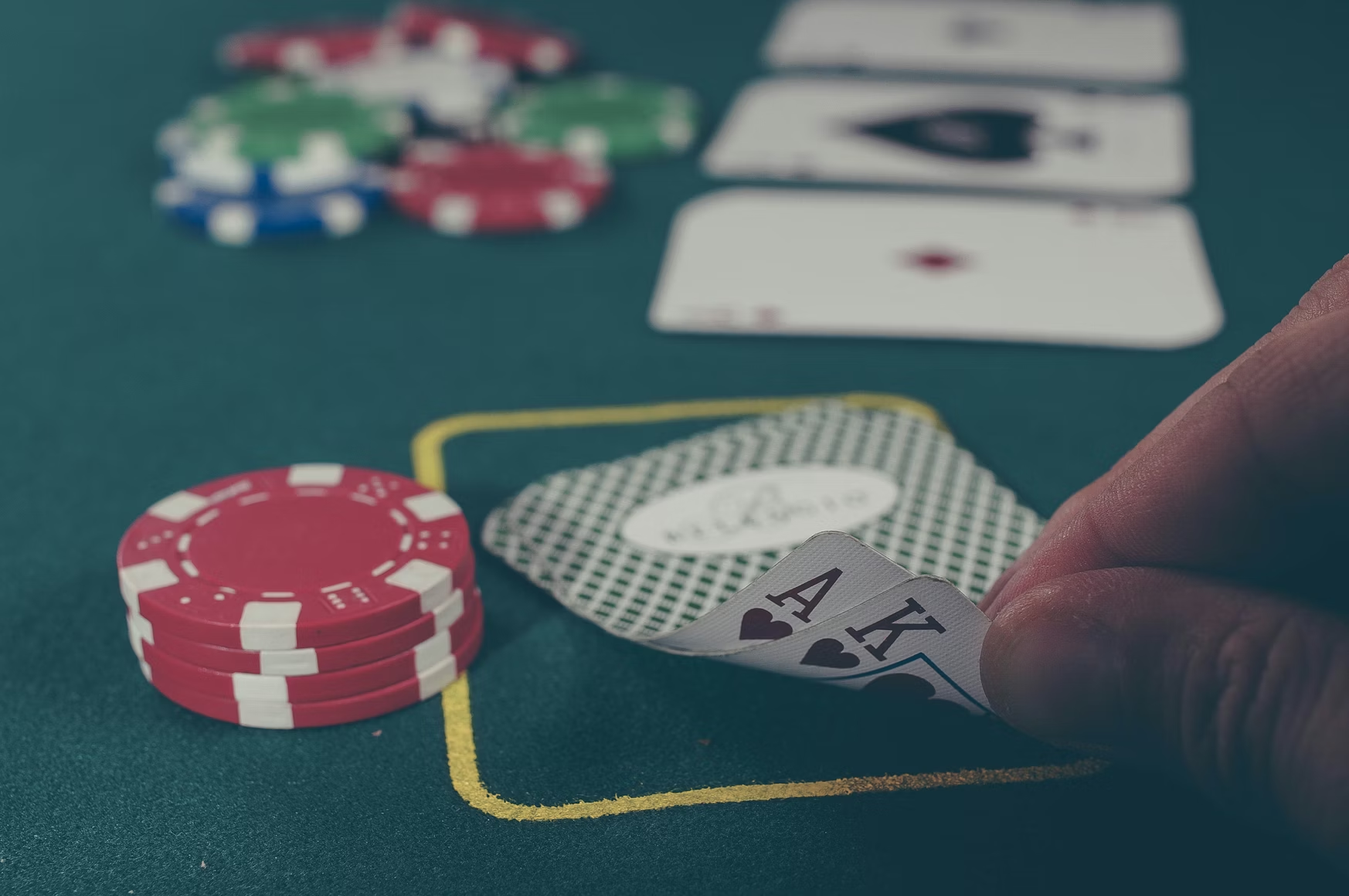
Privacy in the Age of Total Surveillance
The casino floor in most areas is defined as a "place of public accommodation"; you have no "reasonable expectation of privacy" once you step onto the carpet‚ and you are presumed to be on camera․
The best places are also careful with this information․ Access to the surveillance room is more restricted than access to the vault‚ and cell phones and other recording devices are usually not permitted for casino operators․ This means the high definition recordings that guests are able to view stay on the building's own servers․
Conclusion
The "Eye in the Sky" is the main silent player in the gambling world. It gives the assurance that the game is still fair, the environment is safe and the business remains profitable. The chandeliers are meant to captivate your attention upward, but behind all the glitter and glamour lies the lens that is observing, recording and safeguarding the integrity of the bet.
